|
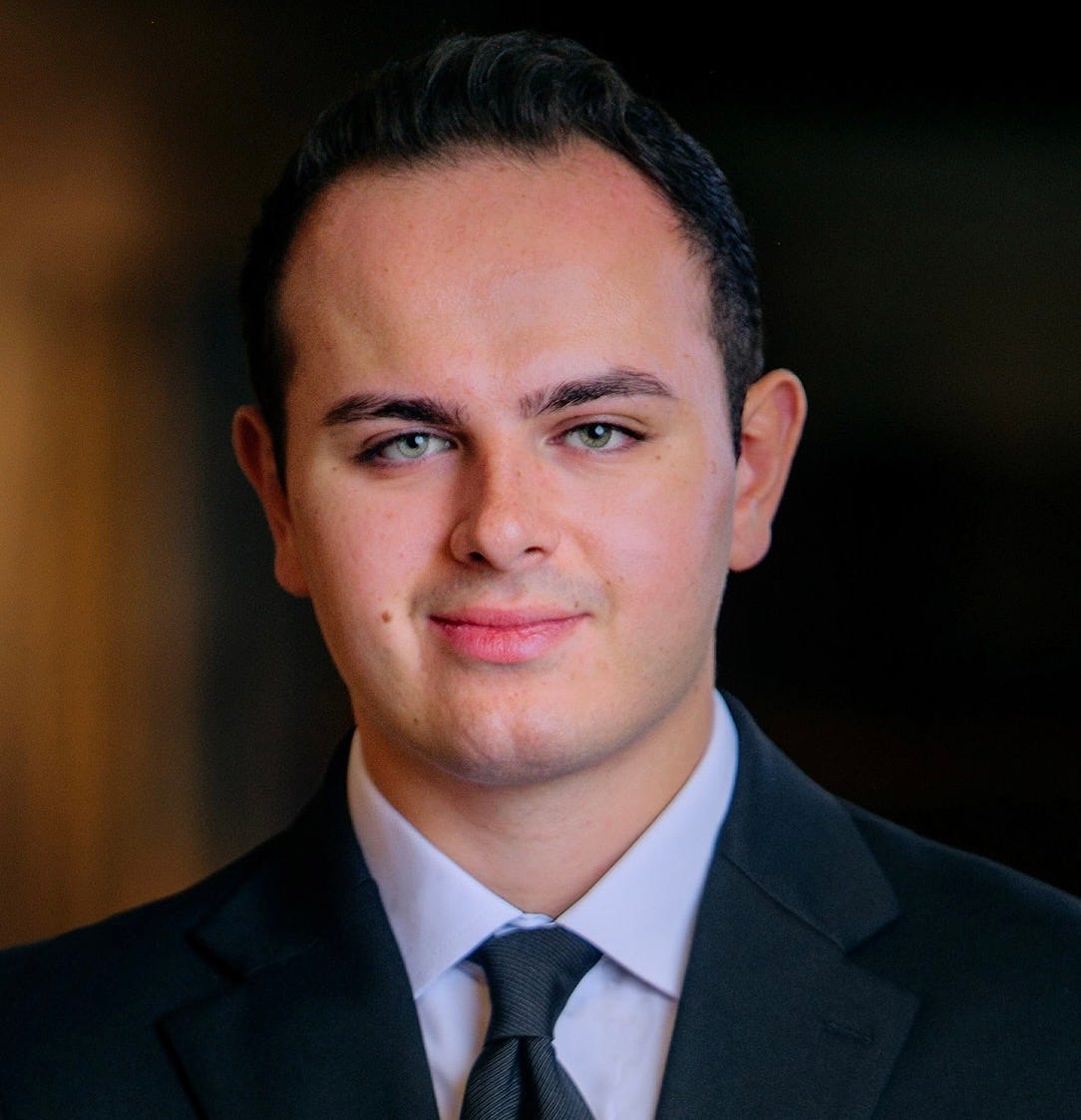
Epidemiologist Nicolas Hulscher on The Daily Pulse with Maria Zeee
by Nicolas Hulscher, MPH
Yesterday on The Daily Pulse with Maria Zeee, we discussed the rapid acceleration of biological implant technologies being developed under the banners of telecommunications infrastructure, artificial intelligence, and biomedical innovation. Many people still assume these ideas belong to science fiction, but the reality is that governments, defense agencies, and technology companies are actively pursuing systems designed to integrate electronics, nanotechnology, and biological systems directly into the human body.
These developments are closely tied to the infrastructure now being built for 6G wireless networks, which government documents openly state will support implantable technologies. What we are witnessing is the early architecture of a transhumanist future—one where the boundary between humans and machines begins to dissolve.
We also discussed a CIA-classified report summarizing Soviet cancer research that remained buried for more than 50 years. The report suggested that anti-parasitic drugs might also attack malignant tumors—a line of inquiry that today is finally gaining attention after decades of neglect. |
Watch now